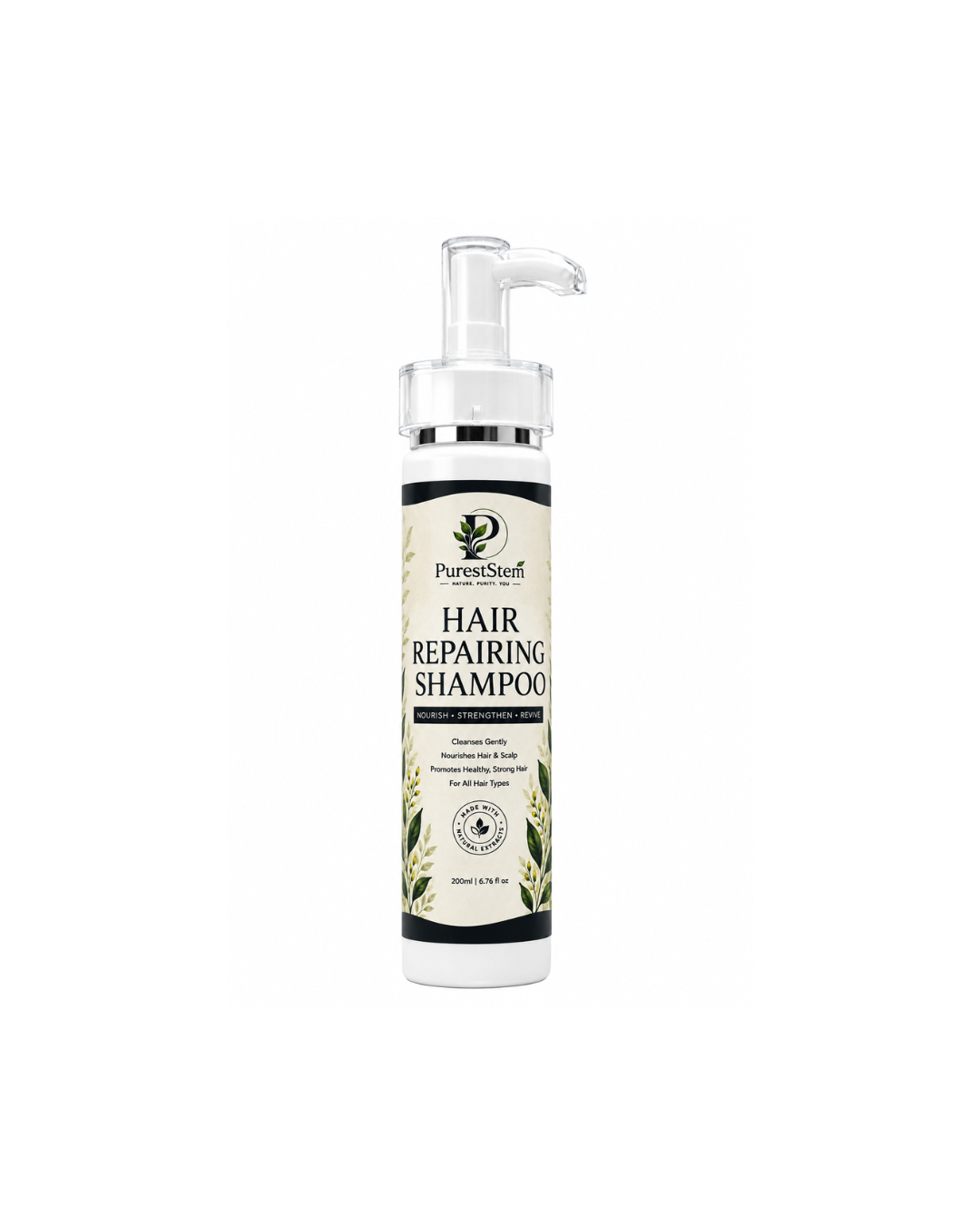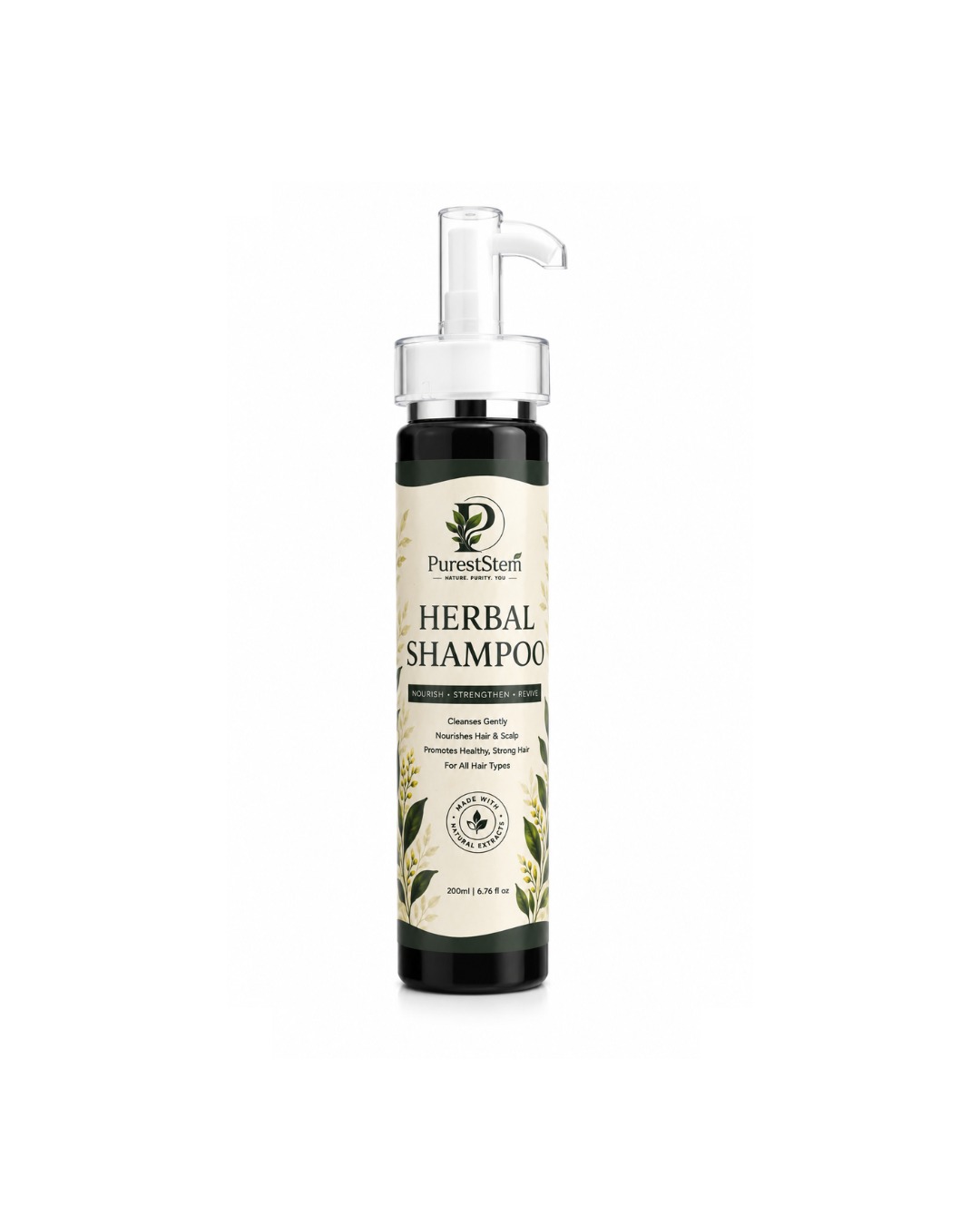
Herbal Hair Shampoo: A Natural Approach to Healthy, Strong, and Beautiful Hair
Discover the power of natural care with our complete guide to herbal hair shampoo. Learn how switching to organic ingredients can give you healthy hair naturally.

What Is Herbal Hair Shampoo?
Herbal hair shampoo is a hair-cleansing product that contains one or more herbal or botanical ingredients. These ingredients may include aloe vera, rosemary, amla, neem, green tea, hibiscus, chamomile, tea tree, coconut-derived ingredients, or other plant extracts.
Unlike traditional shampoos that may rely heavily on synthetic fragrances or strong cleansing agents, many herbal shampoos are designed around milder formulas and plant-based ingredients. However, it is important to remember that “herbal” does not automatically mean completely natural or chemical-free. Every shampoo has a formulation, and the complete ingredient list should be checked before purchasing.
Common Ingredients in Herbal Shampoo
Different herbal shampoos use different ingredients depending on their intended purpose.
Aloe vera: Aloe vera is commonly used in hair-care products because it provides a soothing and moisturizing feel to the scalp and hair.
Amla: Amla, also known as Indian gooseberry, is traditionally used in South Asian hair care. It is often included in products designed to support stronger and healthier-looking hair.
Neem: Neem is traditionally valued for scalp care and is frequently included in cleansing formulations.
Rosemary: Rosemary is a popular botanical ingredient in modern hair-care products. Rosemary extracts and oils are often used in scalp and hair formulations.
Hibiscus: Hibiscus is traditionally used in hair-care routines and may help leave hair feeling soft and conditioned.
Green tea: Green tea contains naturally occurring antioxidant compounds and is commonly used in cosmetic formulations.
Chamomile: Chamomile is often included in products designed to provide a gentle and soothing hair-care experience.
Benefits of Herbal Hair Shampoo
Herbal hair shampoo can provide several benefits when it is selected according to your hair and scalp needs.
1. Gentle Hair and Scalp Cleansing
The primary purpose of shampoo is to remove excess oil, sweat, dirt, dead skin cells, and product buildup from the scalp and hair. A well-formulated herbal shampoo can cleanse the scalp while helping hair maintain a comfortable, fresh feeling.
Gentle cleansing is especially useful for people whose hair becomes dry or rough after using very strong cleansing products.
2. Helps Maintain a Healthy-Looking Scalp
A clean scalp creates a better environment for healthy-looking hair. Herbal ingredients such as aloe vera, neem, rosemary, and tea tree are commonly found in scalp-care products.
However, herbal shampoo should not be considered a treatment for medical scalp conditions. Persistent itching, severe dandruff, redness, or hair loss should be discussed with a qualified healthcare professional
3. Supports Hair Moisture
Some herbal shampoos contain moisturizing ingredients such as aloe vera, coconut-derived ingredients, glycerin, or plant oils. These ingredients can help hair feel smoother and less dry.
Moisture is particularly important for people with curly, wavy, chemically treated, or heat-damaged hair.
4. Improves the Appearance of Hair
Regular use of a suitable shampoo can help remove buildup and leave the hair looking cleaner, fresher, and more manageable. Herbal formulations may also contain conditioning ingredients that help improve the appearance of softness and shine.
5. Suitable for Different Hair Types
Herbal shampoos are available for many different hair types, including:
- Dry hair
- Oily hair
- Normal hair
- Curly hair
- Wavy hair
- Fine hair
- Thick hair
- Damaged hair
- Color-treated hair
The important thing is to choose a formula according to your specific needs rather than choosing a product simply because it contains herbs.
How Herbal Shampoo Works
Shampoo works mainly by combining cleansing ingredients with water to remove unwanted substances from the scalp and hair.
Cleansing Action
When shampoo is massaged into wet hair, cleansing agents help loosen oil, dirt, sweat, and styling-product residue. Rinsing then carries these substances away with water.
Botanical Ingredients
Herbal extracts are added to many formulations for their cosmetic and sensory properties. For example, aloe vera may provide a moisturizing feel, while botanical extracts such as rosemary or green tea are often included in scalp and hair-care formulations.
Conditioning Support
Some shampoos also contain conditioning ingredients that can help reduce roughness and improve the feel of the hair after washing.
How to Use Herbal Hair Shampoo Correctly
Using shampoo correctly can make a major difference in your hair-care routine.
Step 1: Wet Your Hair
Start by thoroughly wetting your hair with lukewarm or comfortably warm water. Avoid extremely hot water because it may leave the scalp and hair feeling dry.
Step 2: Apply a Small Amount
Take an appropriate amount of shampoo and apply it mainly to your scalp. You usually do not need a large amount.
Step 3: Massage the Scalp
Use your fingertips to gently massage the scalp for about one to two minutes. Avoid scratching the scalp with your fingernails.
Step 4: Rinse Thoroughly
Rinse your hair completely with water until the shampoo is removed.
Step 5: Use Conditioner
If your hair is dry, curly, damaged, or difficult to manage, apply conditioner to the lengths and ends. Conditioner can help make hair feel softer and easier to comb.
Herbal Shampoo for Different Hair Types
Choosing the right shampoo depends on your hair type.
Herbal Shampoo for Dry Hair
People with dry hair should look for formulas containing moisturizing and conditioning ingredients. Aloe vera, coconut-derived ingredients, glycerin, and certain plant oils may be useful components.
Avoid washing excessively if it makes your hair feel even drier.
Herbal Shampoo for Oily Hair
People with oily scalps may prefer a shampoo designed for effective but gentle cleansing. Ingredients such as green tea, rosemary, or neem are commonly found in scalp-cleansing formulas.
The goal is to remove excess oil without aggressively stripping the scalp.
Herbal Shampoo for Damaged Hair
Damaged hair can result from frequent heat styling, bleaching, coloring, chemical treatments, or excessive brushing. A shampoo alone cannot completely repair severely damaged hair, but a gentle cleansing formula combined with a good conditioner or hair mask can improve the hair's appearance and manageability.
Herbal Shampoo for Curly Hair
Curly hair often needs extra moisture because natural scalp oils may not spread easily along the hair shaft. A moisturizing herbal shampoo followed by conditioner can help curls feel softer and easier to manage.
Herbal Shampoo and Hair Growth
One of the most common reasons people purchase herbal hair products is the hope of improving hair growth. Ingredients such as rosemary, amla, hibiscus, and other botanicals are traditionally associated with hair care.
However, it is important to distinguish between supporting healthy-looking hair and medically treating hair loss.
Hair growth is influenced by many factors, including genetics, hormones, nutrition, age, stress, medications, and overall health. A shampoo mainly works on the scalp and hair surface because it is rinsed away after a short period.
If you experience sudden, severe, or persistent hair loss, it is better to consult a dermatologist rather than relying only on shampoo.
Herbal Shampoo for Dandruff and Scalp Care
Dandruff can be caused by several factors, including scalp oil, skin-cell turnover, and yeast associated with the scalp. Some herbal shampoos are marketed for dandruff or scalp freshness.
Choosing a Dandruff Shampoo
If dandruff is mild, a suitable cleansing routine may help keep the scalp clean. However, persistent or severe dandruff may require a shampoo containing clinically established active ingredients.
Herbal ingredients can be part of a hair-care routine, but they should not replace appropriate medical treatment when a scalp condition requires it.
How to Choose the Best Herbal Hair Shampoo
There are many herbal shampoos available, so choosing the right one can be confusing.
Check the Ingredient List
Always read the ingredient list rather than relying only on words such as “natural,” “herbal,” or “organic” on the front of the bottle.
Look for ingredients that suit your hair type and avoid ingredients to which you already know you are sensitive.
Choose According to Your Hair Needs
Ask yourself what your main goal is:
- Do you need moisture?
- Do you have an oily scalp?
- Is your hair damaged?
- Do you have a sensitive scalp?
- Do you need help managing frizz?
- Is your hair color-treated?
Choosing according to your actual needs will usually produce better results than choosing based only on a popular herbal ingredient.
Consider Your Scalp
Your scalp is just as important as your hair. If your scalp becomes oily quickly, you may need a different formula than someone with a dry or sensitive scalp.
Possible Disadvantages of Herbal Shampoo
Although herbal shampoos can be useful, they are not perfect for everyone.
Allergic Reactions
Natural ingredients can still cause allergies or irritation. Essential oils and botanical extracts may be irritating for some people.
If you experience burning, severe itching, redness, swelling, or a rash after using a product, stop using it and seek appropriate medical advice.
Results Can Differ
Hair products do not work exactly the same way for everyone. A shampoo that works well for one person may not suit another person's scalp or hair type.
“Natural” Does Not Mean “Chemical-Free”
Everything is made of chemicals at a scientific level, including water and plant extracts. The more useful question is whether the ingredients are safe, suitable, and appropriate for your individual needs.
Herbal Hair Shampoo vs. Regular Shampoo
The main difference is usually the type and emphasis of ingredients used in the formulation.
Herbal shampoos often highlight botanical extracts and plant-derived ingredients, while conventional shampoos may focus on specific cleansing, conditioning, cosmetic, or treatment ingredients.
Neither category is automatically better for everyone. The best shampoo is the one that effectively cleans your scalp without causing excessive dryness, irritation, or discomfort.
Tips for Getting Better Hair-Care Results
Using shampoo is only one part of maintaining healthy-looking hair.
Wash According to Your Hair Needs
There is no single correct washing schedule for everyone. People with oily scalps may need to wash more frequently, while people with dry or curly hair may prefer less frequent washing.
Avoid Excessive Heat
Frequent use of straighteners, curling irons, and high-temperature blow dryers can contribute to hair damage. Use lower heat when possible and protect the hair when using heat-styling tools.
Be Gentle With Wet Hair
Wet hair can be more vulnerable to breakage. Avoid aggressive towel rubbing and use a gentle combing technique.
Maintain a Balanced Diet
Hair health is also connected to overall nutrition. A balanced diet containing adequate protein, vitamins, minerals, healthy fats, and fluids supports normal body functions, including the growth of hair.
Conclusion
Herbal hair shampoo can be a valuable addition to a simple and effective hair-care routine. With ingredients such as aloe vera, amla, neem, rosemary, hibiscus, green tea, and chamomile, herbal formulations can provide cleansing and cosmetic benefits while helping hair feel fresh, soft, and manageable.
However, choosing a shampoo should be based on your hair type, scalp condition, and individual needs rather than the word “herbal” alone. Always check the ingredient list, use the product according to its instructions, and stop using it if it causes irritation.
For the best results, combine a suitable herbal shampoo with conditioner, gentle hair handling, limited heat styling, and a balanced lifestyle. Remember that shampoo can support hair and scalp care, but persistent scalp problems or significant hair loss may require professional medical advice.
Herbal Hair Shampoo: A Natural Approach to Healthy, Strong, and Beautiful Hair
Saneha Salamat
Verified AuthorNatural wellness researcher & herbal formulation expert at PurestStem.
Featured Herbal Products
100% natural, chemical-free solutions referenced in this article.