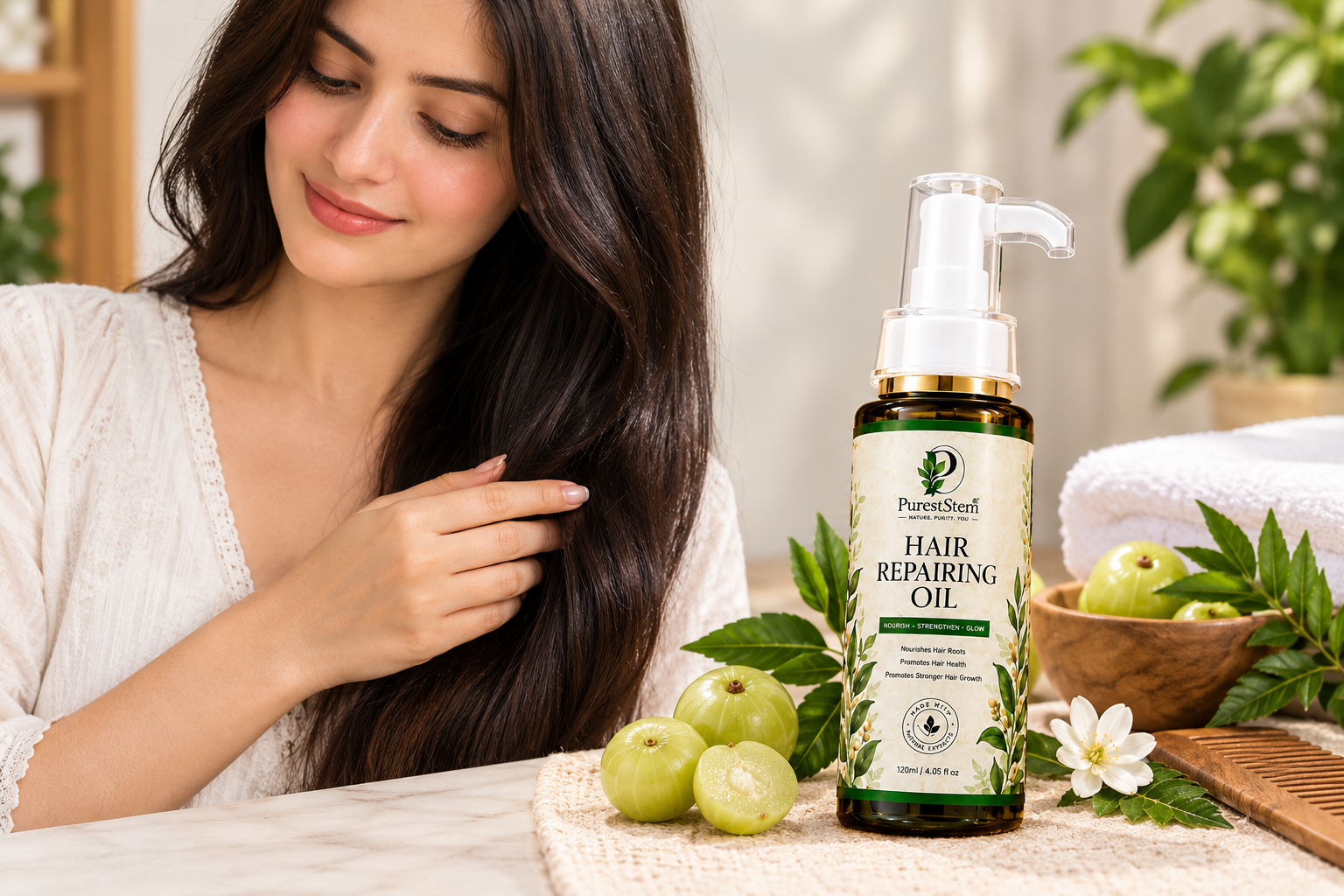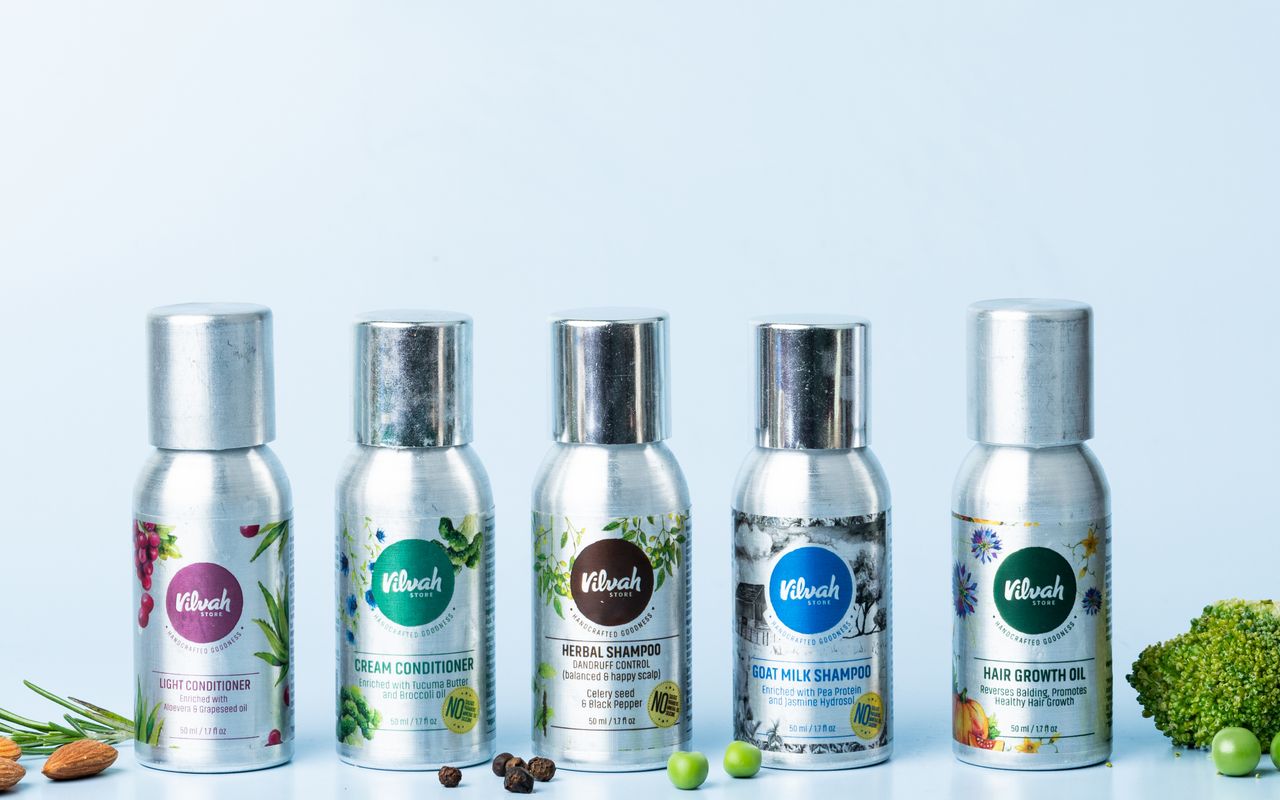
Best Hair Oil: A Complete Guide to Choosing the Right Oil for Healthy, Shiny Hair
Discover the best hair oils for healthy, shiny, and strong hair. Learn about different hair oils, their benefits ,and how to choose the best hair oil for your hair type .
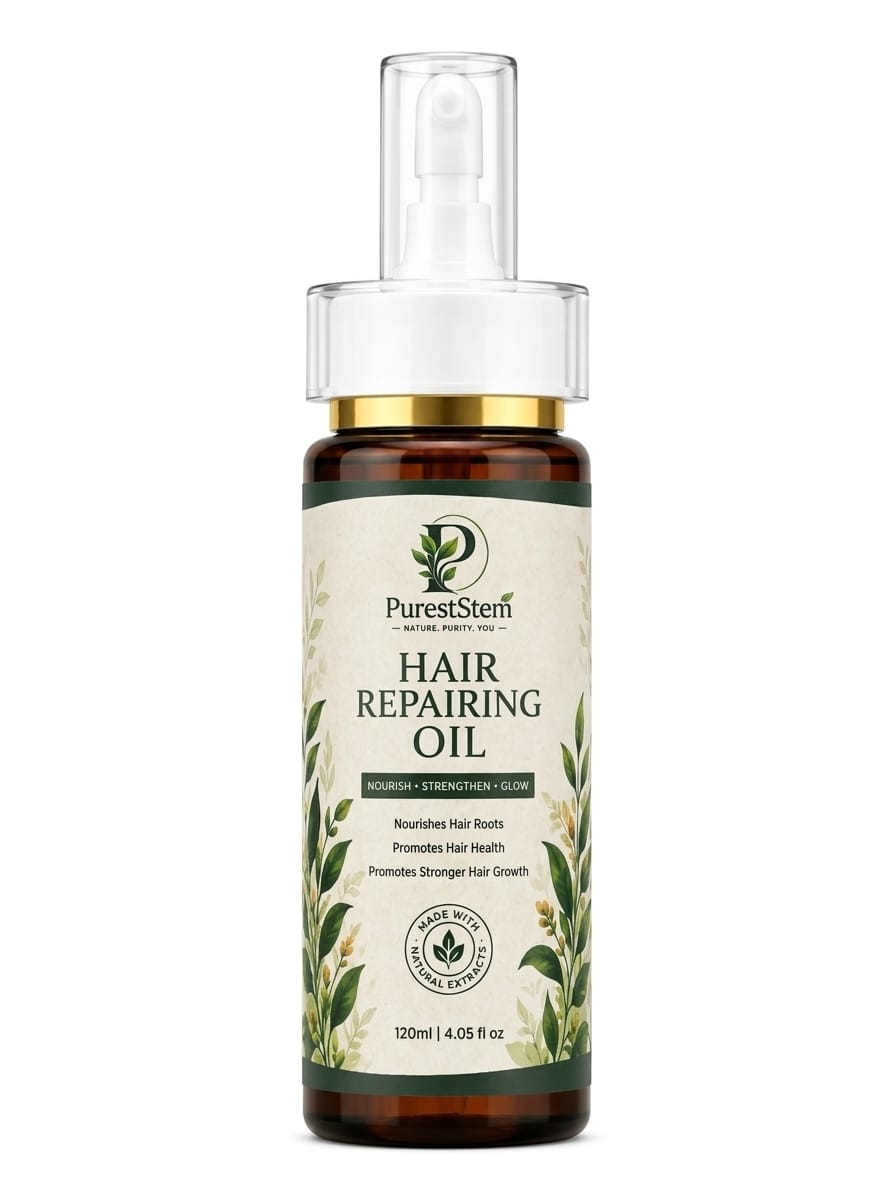
Best Hair Oil: A Complete Guide to Choosing the Right Oil for Healthy, Shiny Hair
Healthy, shiny, and manageable hair does not always require an expensive routine. Sometimes, the right hair oil can make a noticeable difference. Hair oiling has been part of traditional hair-care routines for generations, but today there are countless options—from coconut and argan oil to rosemary, jojoba, almond, and blended formulas.
The challenge is knowing which hair oil is actually best for your hair.
There is no single oil that works perfectly for everyone. The best choice depends on whether your main concern is dryness, frizz, breakage, scalp care, or the appearance of thinning hair. Modern hair oils can also do more than simply make hair look shiny: they can reduce friction, improve manageability, and help protect the hair shaft from damage.
What Is Hair Oil and Why Is It Used?
Hair oil is a treatment applied to the scalp, hair lengths, or both. It may contain a single plant oil or a combination of botanical oils and cosmetic ingredients.
A good hair oil can help:
Reduce dryness and roughness
Improve shine and softness
Control frizz
Reduce friction between hair strands
Make hair easier to comb and style
Protect hair from some forms of mechanical damage
Reduce protein loss from the hair during washing
Condition dry or damaged lengths
However, it is important to understand that hair oil is not a miracle cure for every hair problem. Oil can improve the condition and appearance of existing hair, but severe or persistent hair loss may have an underlying medical cause and should be evaluated by a dermatologist.
The Best Hair Oils for Different Needs
1. Coconut Oil — Best Overall for Dry and Damaged Hair
Coconut oil is one of the most widely used hair oils, and there is some scientific evidence supporting its benefits.
A study comparing coconut, sunflower, and mineral oils found that coconut oil was the only one of the three that significantly reduced protein loss from both damaged and undamaged hair. Researchers attributed this partly to coconut oil's ability to penetrate the hair shaft.
This makes coconut oil particularly useful as a pre-shampoo treatment.
Best for:
Dry, coarse, damaged, or brittle hair.
How to use it:
Apply a small amount to the lengths and ends, leave it for around 30–60 minutes, and then shampoo. You do not necessarily need to leave it overnight.
One disadvantage is that coconut oil can feel heavy on fine or naturally oily hair.
2. Argan Oil — Best for Shine and Frizz
Argan oil is often called “liquid gold” because of its lightweight texture and popularity in modern hair-care products.
It is particularly useful when your main concern is frizz, dullness, rough texture, or dry ends. Commercial hair oils frequently combine argan oil with other conditioning ingredients to create lightweight finishing treatments.
Argan-based formulas are especially convenient because you can use just a few drops on dry hair without creating the extremely oily appearance associated with heavier traditional oils. Current beauty guides continue to feature argan-based and argan-containing formulas among popular options for smoothing and shine.
Best for:
Frizzy, dull, dry, medium-to-thick, and textured hair.
How to use it:
Rub 1–3 drops between your palms and gently apply from the mid-lengths toward the ends.
3. Rosemary Oil — Best Known for Scalp and Hair-Growth Interest
Rosemary oil has become one of the most discussed hair oils because of research into its potential role in hair growth.
A randomized comparative study involving people with androgenetic alopecia compared rosemary oil with 2% minoxidil over six months. Both groups showed increased hair counts at six months, with no statistically significant difference between the groups at that point. However, this was a relatively small study, so rosemary oil should not automatically be considered equivalent to proven medical treatments for hair loss.
Rosemary essential oil should also not normally be applied undiluted directly to the scalp because essential oils can cause irritation.
Best for:
People interested in scalp-focused hair care and those experiencing mild concerns about hair thinning.
How to use it:
Use a properly formulated rosemary hair product or dilute rosemary essential oil in an appropriate carrier oil according to product directions.
If you are experiencing significant or sudden hair loss, consult a dermatologist rather than relying exclusively on oiling.
4. Jojoba Oil — Best for Lightweight Conditioning
Jojoba oil is a popular ingredient in lightweight hair products because it does not usually feel as heavy as thicker oils.
It can be particularly useful for people who want some conditioning without making their hair extremely greasy.
Best for:
Fine-to-medium hair, dry ends, and people who dislike heavy oils.
How to use it:
Apply a few drops to the lengths and ends. If you have an oily scalp, concentrate the product away from the roots.
5. Almond Oil — Best for Softness
Sweet almond oil is another traditional choice for hair care. It has a relatively pleasant texture and can help make dry hair feel softer and smoother.
It can be useful for people with coarse or dry hair who want a richer conditioning treatment.
Best for:
Dry, coarse, brittle, or rough hair.
How to use it:
Use it as a pre-shampoo treatment or apply a tiny amount to dry ends.
People with nut allergies should check with a healthcare professional before using almond-derived products.
6. Castor Oil — Best as a Rich Blended Oil
Castor oil is extremely popular in hair-care routines, particularly in products marketed for thicker-looking hair and eyebrows.
Its biggest characteristic is its very thick, sticky texture. For this reason, pure castor oil may be difficult to distribute through the hair and can feel heavy.
Rather than using a large amount of pure castor oil, many people prefer it in a blend with lighter oils such as coconut, jojoba, or almond oil.
How to Oil Your Hair Correctly
Using too much oil does not automatically produce better results. In fact, excessive oil can make washing difficult and leave your hair looking greasy.
Follow these steps:
Step 1: Choose the Right Oil
Start with your primary concern. Choose coconut for a pre-wash conditioning treatment, argan for shine and frizz, or a suitable rosemary formulation for a scalp-focused routine.
Step 2: Use a Small Amount
Begin with a small quantity. You can always add more if necessary.
For most people, a teaspoon or less may be enough for the lengths, depending on hair density and length.
Step 3: Apply Gently
If applying to the scalp, use your fingertips rather than aggressively scratching or rubbing. For the lengths, distribute the oil gently through the hair.
Hair Oil vs Hair Serum: What's the Difference?
Hair oil and hair serum are often confused, but they are not necessarily the same.
A traditional oil is usually based primarily on plant-derived oils. A modern hair serum may contain silicones, lightweight oils, conditioning agents, antioxidants, and other ingredients designed to smooth the hair surface.
For example, contemporary oil-serum products are increasingly designed to reduce friction, improve shine, control frizz, and provide lightweight styling benefits without the heaviness of traditional oiling.
Therefore:
Choose traditional oil for pre-wash conditioning and richer treatments.
Choose a lightweight oil/serum for daily frizz control and shine.
Choose a specialized scalp product when your primary concern is the scalp rather than hair appearance.
Common Hair-Oiling Mistakes to Avoid
Using Too Much Oil
More oil does not mean more nourishment. Excess oil can simply create buildup and require aggressive shampooing.
Applying Essential Oils Directly
Essential oils such as rosemary or tea tree should generally be properly diluted or used in a professionally formulated product.
Expecting Oil to Stop All Hair Loss
Hair shedding can result from genetics, hormonal changes, nutritional issues, illness, stress, medications, and other causes. Oil alone cannot address every cause.
Sleeping With a Heavy Oil Treatment
Overnight oiling is popular, but it is not mandatory. A shorter pre-shampoo treatment can be much more convenient.
Ignoring Your Hair Type
A thick castor-oil treatment may work beautifully for very coarse hair but leave fine hair flat and greasy.
Final Verdict: What Is the Best Hair Oil?
If you want one simple answer, coconut oil is one of the strongest choices for pre-shampoo conditioning, especially for dry or damaged hair, because research has demonstrated its ability to reduce protein loss from hair.
For everyday shine and frizz control, argan-based oils are excellent lightweight options. For fine hair, jojoba or lightweight oil-serum formulas may be easier to use. And if you are interested in rosemary oil because of hair-growth concerns, there is some clinical research worth noting, but it should not be treated as a guaranteed replacement for established medical hair-loss treatments.
Ultimately, the best hair oil is the one that matches your hair's needs rather than the one with the most impressive marketing claims. Start with a small amount, use it consistently, and pay attention to how your hair and scalp respond.
Healthy hair is not about using the most expensive oil—it is about choosing the right ingredients, using them correctly, and maintaining a complete routine that includes gentle washing, conditioning, protection from excessive heat, and good overall hair care.
Best hair repairing oil in Pakistan
Best Hair Oil for Hair Growth in Pakistan: The 2026 Complete Guide
How to Choose the Best Hair Oil for Dry and Damaged Hair
Best Hair Oil for Hair Growth in Pakistan: The 2026 Complete Guide
Saneha Salamat
Verified AuthorNatural wellness researcher & herbal formulation expert at PurestStem.