How to Choose the Best Hair Oil for Dry and Damaged Hair
Learn how to choose the best hair oil for dry and damaged hair, including ingredients, hair types, application tips, and a simple hair care routine for healthier looking hair.
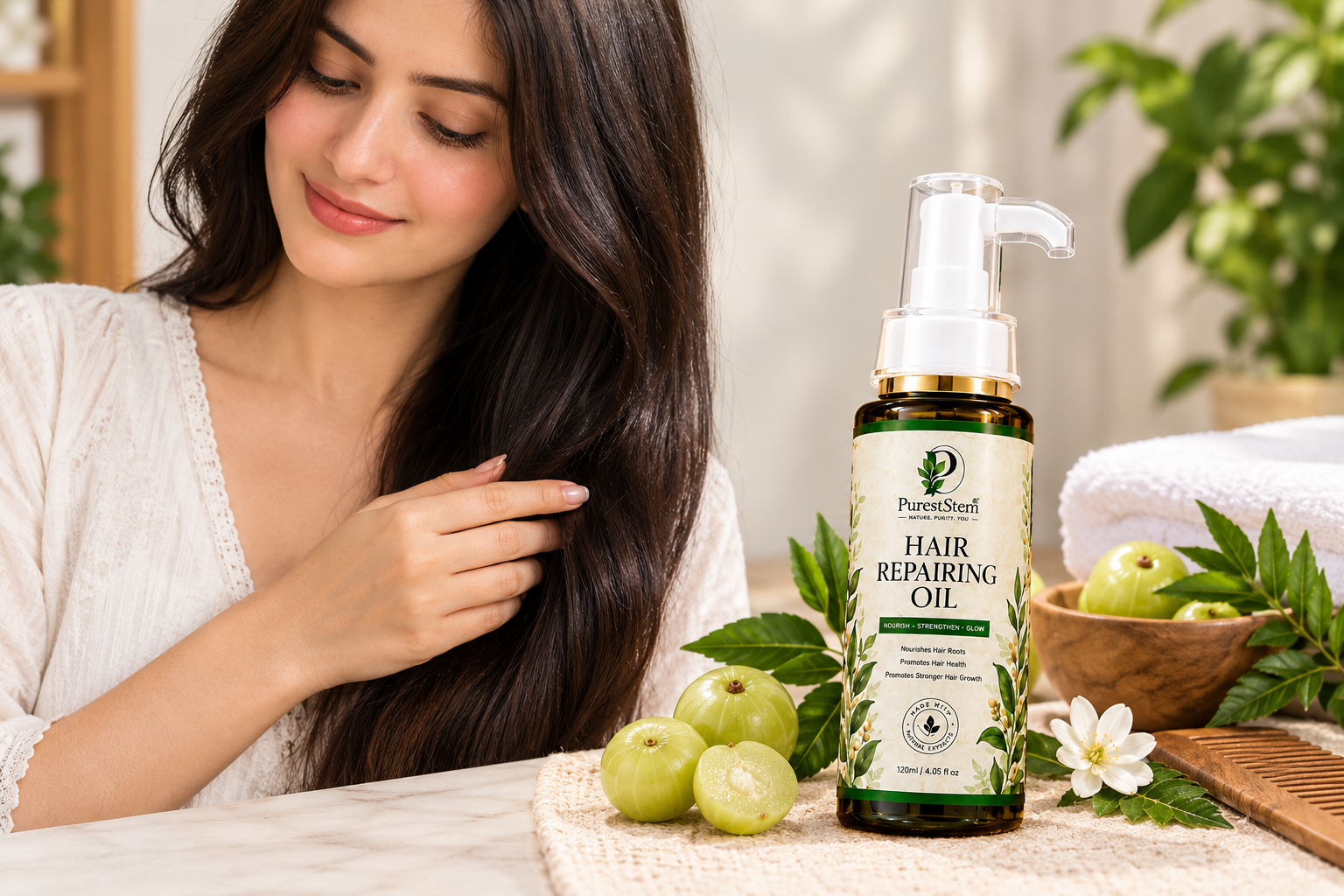
Dry, rough, frizzy, and damaged hair can make everyday hair care difficult. Hair may lose its natural-looking softness and shine because of frequent heat styling, excessive washing, chemical treatments, pollution, sun exposure, and rough handling.
Choosing the best hair oil for dry and damaged hair can be an important part of a consistent hair care routine. A suitable hair oil can help condition the hair, improve softness, reduce the feeling of roughness, and make hair easier to manage.
However, choosing the right hair oil is not simply about selecting the most popular product. Your hair texture, scalp type, ingredients, lifestyle, and existing hair care routine should all be considered.
In this complete guide, we explain how to choose the best hair oil for dry and damaged hair, what ingredients to look for, how to apply hair oil correctly, how often to oil your hair, and how to create a simple hair care routine for dry and damaged-looking hair.
Why Does Hair Become Dry and Damaged?
Hair can become dry and damaged for several reasons. Frequent use of straighteners, curling irons, blow dryers, chemical treatments, excessive washing, pollution, sun exposure, and rough brushing can all affect the appearance and feel of your hair.
Dry hair may feel rough, coarse, or difficult to manage. Damaged hair may also appear dull, frizzy, or more prone to split ends.
A consistent hair care routine can help you manage these concerns. Using a suitable hair oil for dry hair can be one part of that routine, especially when combined with gentle cleansing, conditioning, careful brushing, and reduced exposure to excessive heat.
How to Choose the Best Hair Oil for Dry and Damaged Hair
The best hair oil for you depends on your hair texture, scalp type, lifestyle, and personal hair care needs. Instead of choosing an oil simply because it is popular, look at the product formulation and how it fits into your routine.
1. Check the Ingredients
Ingredients are one of the most important things to consider when choosing a hair oil. Many hair care products contain botanical oils and plant-based ingredients that can help condition the hair and improve its feel.
Depending on the formulation, ingredients such as coconut oil, argan oil, olive oil, jojoba oil, almond oil, and other botanical oils may be used in hair care products.
Always check the complete ingredient list rather than focusing on a single ingredient. A well-formulated product should be appropriate for its intended use and your individual hair care needs.
2. Consider Your Hair Type
Your hair type can determine which type of oiling routine feels most comfortable.
Thick, coarse, or very dry hair may tolerate a richer hair oil, while fine hair may become weighed down by excessive product. If you have fine hair, start with a small amount and concentrate on the mid-lengths and ends.
If your hair is thick or particularly dry, you may prefer using a slightly richer amount as part of your pre-wash routine.
3. Consider Your Scalp Type
Your scalp type is also important when choosing a hair oil. People with an oily scalp may prefer using less oil or focusing primarily on the hair lengths and ends.
If your scalp tends to feel dry, a suitable oiling routine may provide a more conditioned feeling. However, persistent itching, irritation, redness, or unusual flaking may require professional advice rather than relying only on cosmetic hair products.
4. Choose a Hair Oil That Fits Your Routine
The best hair oil is not necessarily the one with the longest ingredient list. It should be a product that you can use comfortably and consistently as part of your normal hair care routine.
Consider how often you wash your hair, whether you regularly use heat styling tools, your hair texture, and how your hair feels after using oil.
Benefits of Using Hair Oil for Dry Hair
Hair oil is primarily a cosmetic hair care product. Depending on its formulation, it can help condition the hair and improve its appearance, softness, smoothness, and manageability.
Using a suitable hair oil for dry and damaged hair may help hair feel less rough and make it easier to manage before and after washing.
- Helps condition dry-feeling hair
- Can improve the feeling of softness
- Can improve hair manageability
- Can support a smoother-looking appearance
- Can complement a regular pre-wash hair care routine
- Can complement shampoo and conditioning routines
Hair oil should be considered one part of a complete hair care routine rather than a guaranteed treatment for every type of hair damage.
Organic and Herbal Hair Oil: What Should You Look For?
If you prefer botanical hair care, you may be interested in an organic hair oil or herbal hair oil. These products may contain plant-based oils and botanical ingredients designed for hair conditioning.
When choosing a herbal hair oil, do not rely only on words such as "natural," "herbal," or "organic." Read the product information and ingredient list carefully.
Look for a product with clearly listed ingredients, clear directions for use, appropriate packaging, and information about shelf life and manufacturing.
Natural ingredients are not automatically suitable for everyone. Your hair type and scalp condition should always be considered when selecting a hair care product.
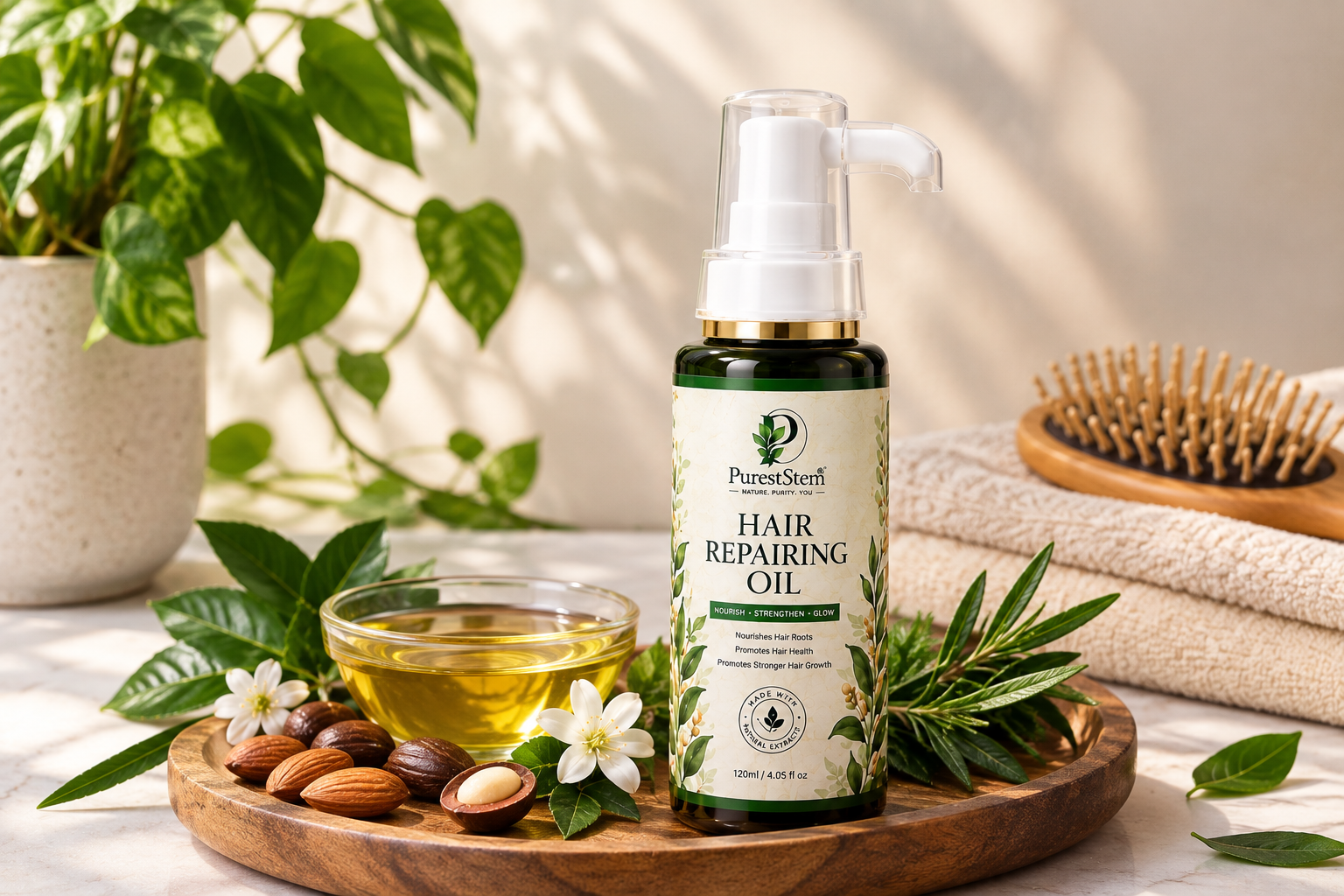
PurestStem Hair Oil for Your Hair Care Routine
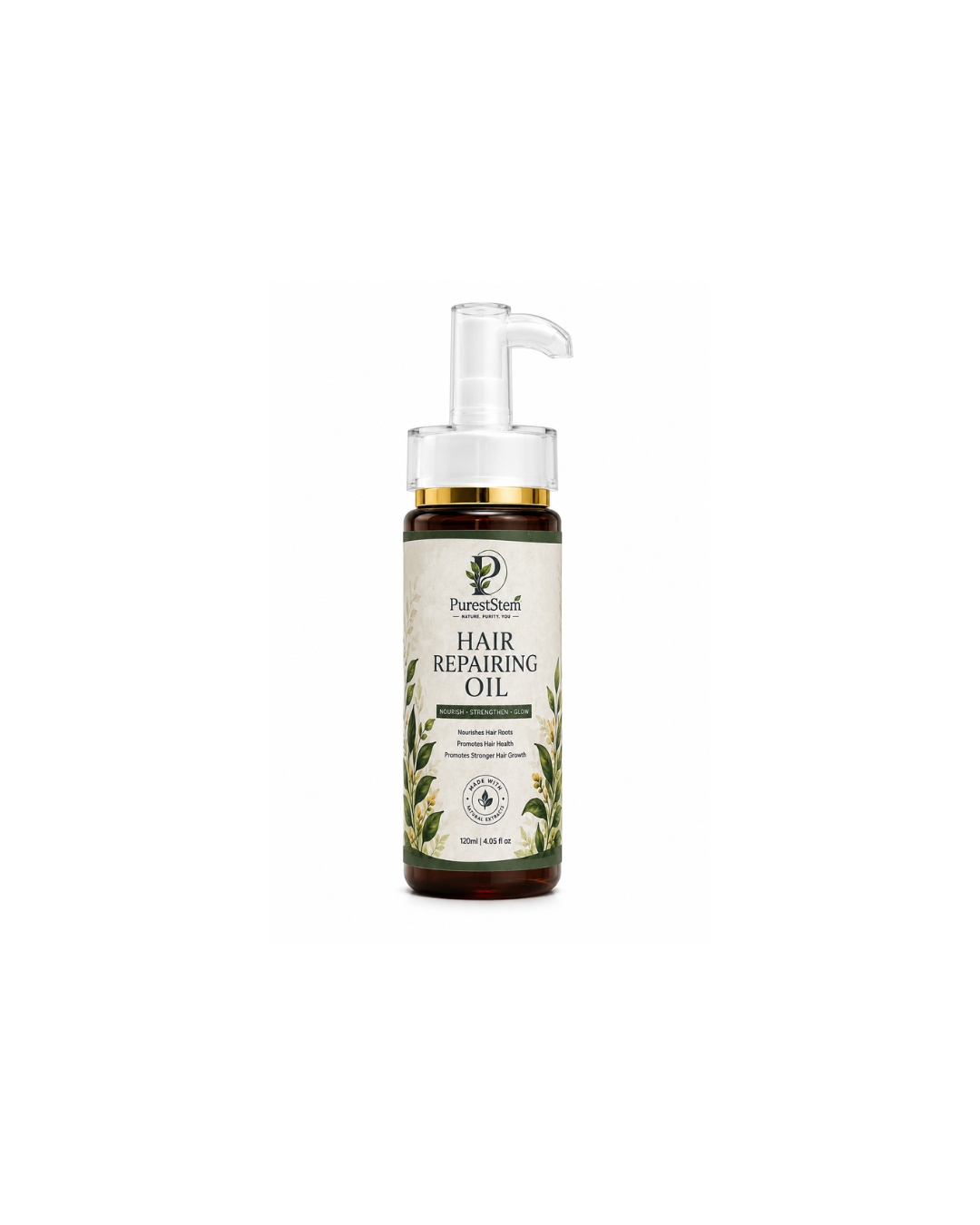
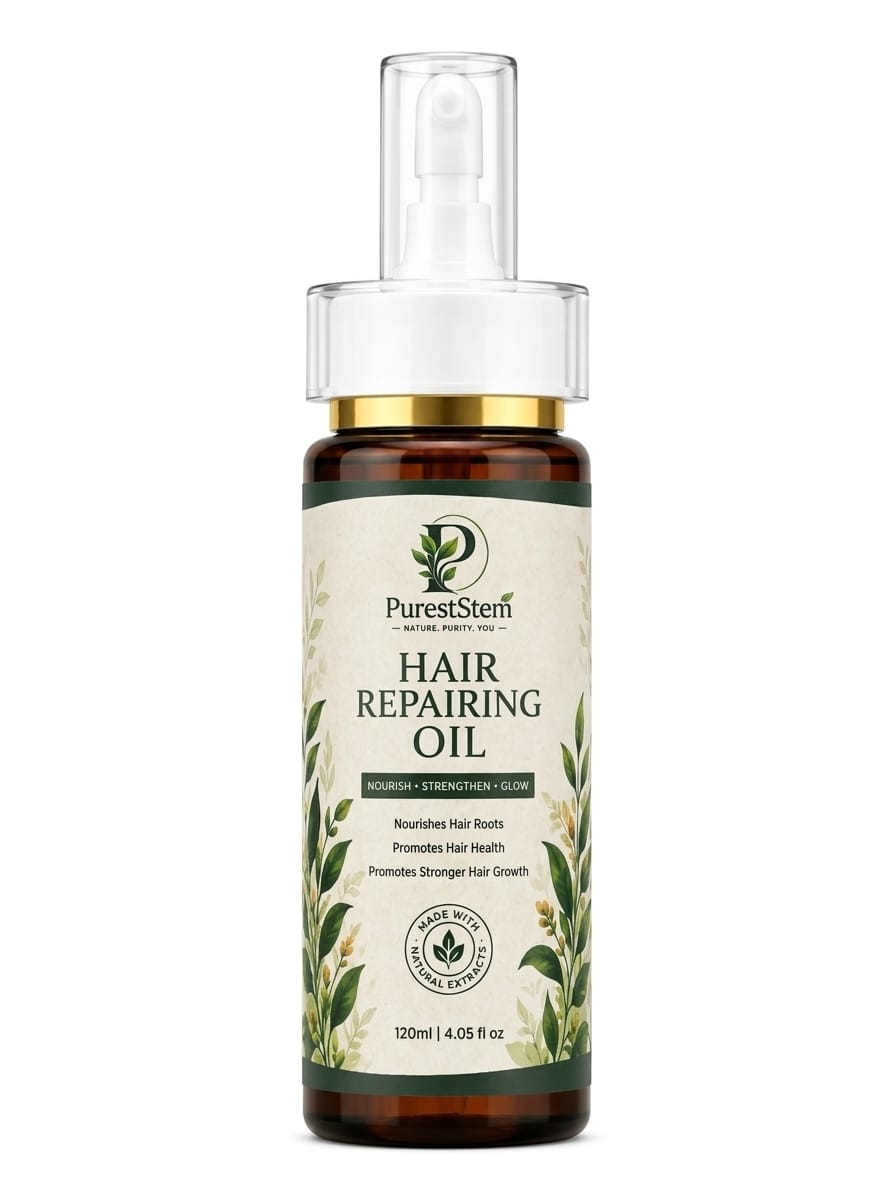
PurestStem Hair Oil is designed as a hair care oil that can be incorporated into a regular hair oiling routine. If your hair feels dry, rough, or difficult to manage, using a suitable amount of hair oil before washing can be a simple addition to your routine.
The amount of oil you need depends on your hair length, thickness, and texture. Applying a very large amount is not necessary. Start with a suitable quantity and adjust according to how your hair responds.
For people interested in botanical-focused hair care, PurestStem Hair Oil can be used alongside other basic hair care practices such as gentle cleansing, conditioning, careful brushing, and reducing unnecessary heat styling.
Explore PurestStem Hair Oil as part of your regular hair care routine and choose an approach that works comfortably for your hair needs.
How to Apply Hair Oil for Dry and Damaged Hair
Using hair oil correctly can make your hair care routine simple and comfortable. You do not need to use a large amount of oil to create a good routine.
Step 1: Prepare Your Hair
Start with dry or slightly damp hair that is reasonably free from tangles. If your hair is heavily tangled, gently detangle it before applying oil.
Step 2: Take a Suitable Amount
Pour a small amount of hair oil into your palm. The amount required depends on your hair length and thickness.
Step 3: Apply the Oil Gently
Distribute the oil gently through your hair, paying particular attention to dry mid-lengths and ends.
If you prefer applying oil to your scalp, use gentle fingertip movements rather than aggressive rubbing or scratching.
Step 4: Follow Your Normal Oiling Routine
Leave the oil according to the product instructions and your normal pre-wash routine. Leaving oil on for an extremely long period does not automatically mean better results.
Step 5: Wash Your Hair
Wash your hair thoroughly using a suitable shampoo. If your hair is dry, following shampoo with a conditioner can help improve softness and manageability.
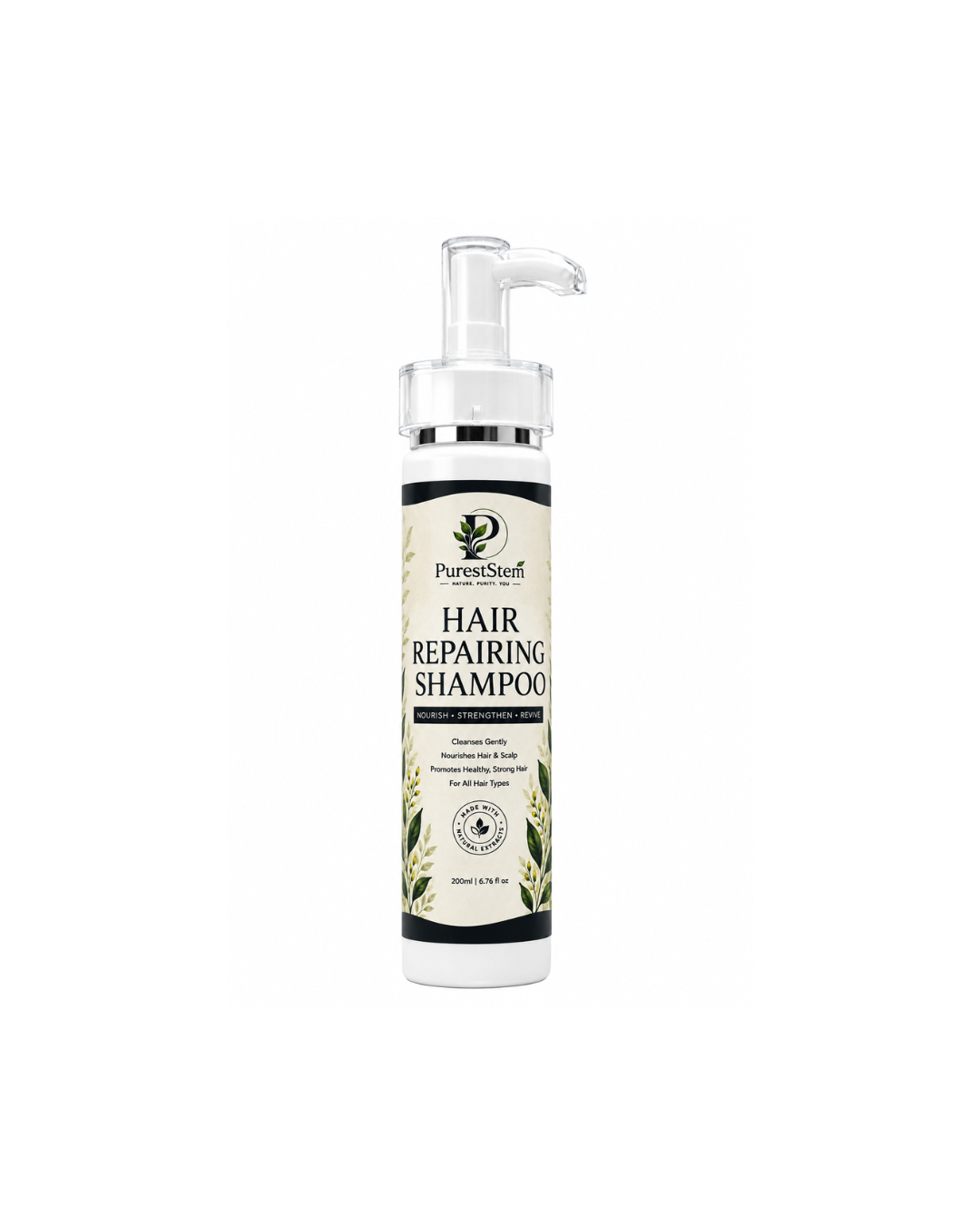
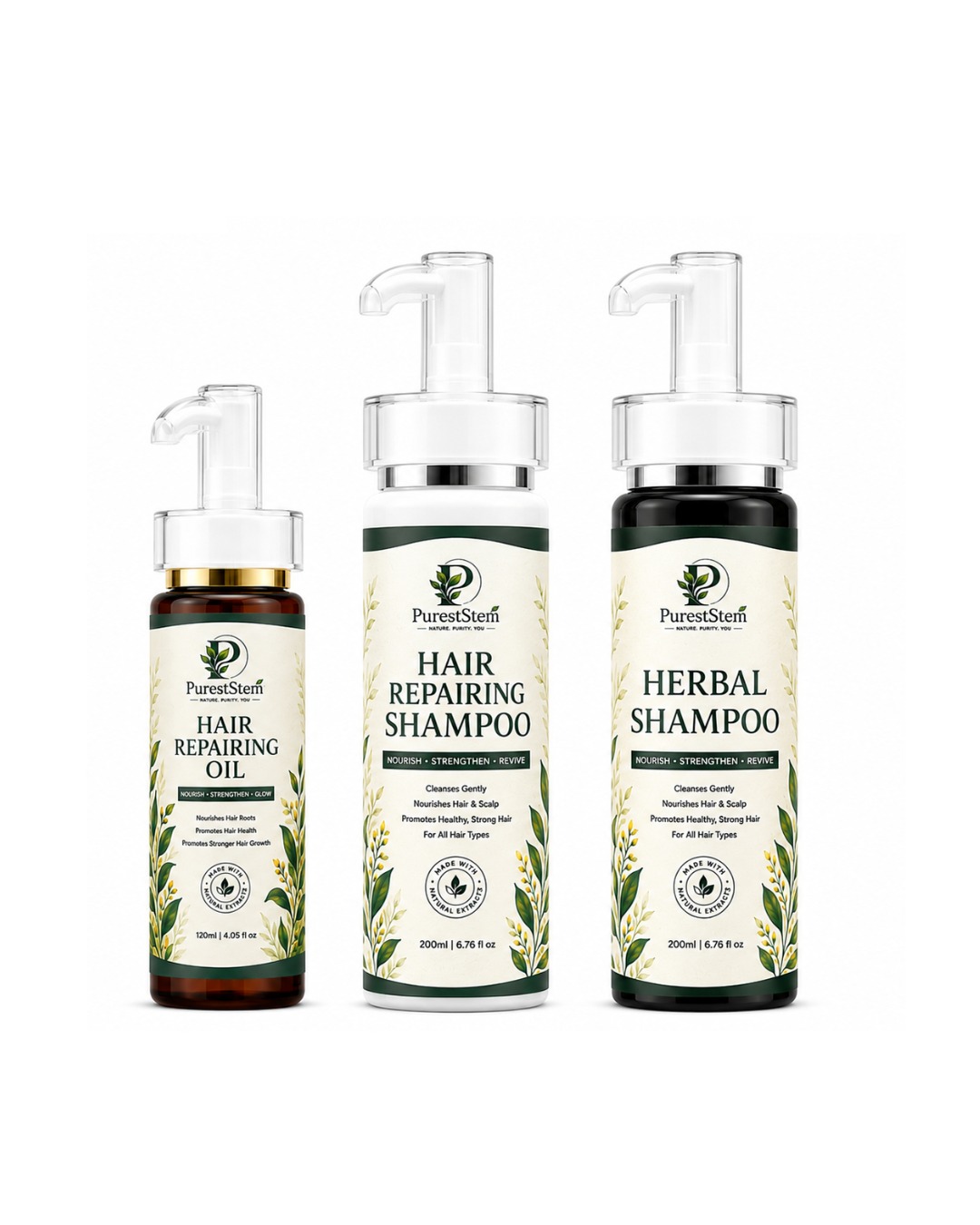
For a complete cleansing routine, explore the PurestStem Hair Repairing Shampoo.
How Often Should You Oil Dry and Damaged Hair?
There is no universal hair oiling schedule that works for everyone. Your ideal frequency depends on your hair type, scalp condition, washing routine, and the type of hair oil you use.
Some people may prefer oiling their hair once or twice a week, while others may prefer a less frequent routine.
Your hair oiling frequency can depend on:
- Hair texture
- Hair thickness
- Scalp type
- Washing routine
- Hair styling habits
- Level of dryness
- Type of hair oil being used
Start with a moderate amount and observe how your hair responds. If your hair becomes excessively greasy, heavy, or difficult to wash, reduce the amount of oil or adjust the frequency.
Simple Hair Care Routine for Dry and Damaged Hair
Hair oil works best as part of a complete and consistent hair care routine rather than as the only step.
Use a GentleShampoo
Choose a shampoo that suits your scalp and hair needs. Avoid unnecessarily frequent washing if it leaves your hair feeling excessively dry.
Use a Conditioner
Conditioning can help improve the softness and manageability of dry-looking hair. Apply conditioner according to the product instructions, especially through the lengths and ends.
Oil Your Hair Regularly
Use a suitable hair oil for dry hair as part of your pre-wash routine. Consistency is generally more practical than applying a large quantity of oil occasionally.
Reduce Excessive Heat Styling
Frequent high-temperature styling can contribute to hair damage. Consider reducing unnecessary use of straighteners, curling irons, and high-temperature blow drying.
Handle Your Hair Gently
Avoid aggressive brushing, pulling, and rough towel drying. Gentle handling can help reduce unnecessary physical stress on the hair.
Protect Your Hair
Consider protecting your hair from excessive sun exposure and environmental factors. A consistent routine can help you maintain healthier-looking and more manageable hair.
thier-looking and more manageable hair.
Hair Oil vs Hair Serum: What Is the Difference?
Hair oil and hair serum can both be used in hair care, but they are generally designed for different purposes.
Hair oils are commonly used as conditioning or pre-wash products, while hair serums are often used after washing to improve the appearance, smoothness, and manageability of hair.
Depending on your hair type and routine, you may choose one or both. The important thing is to select products that suit your hair and avoid using excessive amounts of multiple products.
Common Hair Oiling Mistakes to Avoid
Using Too Much Oil
Applying a large amount of oil does not automatically provide better results. Excessive oil can make hair greasy, heavy, and difficult to wash.
Rubbing the Scalp Aggressively
Aggressive rubbing or scratching can be uncomfortable and may irritate the scalp. Use gentle fingertip movements when applying oil.
Ignoring the Hair Ends
Dry hair lengths and ends can benefit from appropriate conditioning. Make sure your hair care routine considers the areas that feel particularly dry.
Changing Products Too Frequently
Constantly changing your hair care products can make it difficult to understand what works for your hair. Give your routine time and observe how your hair responds.
Expecting Instant Results
Hair care is a consistent process. A single application of hair oil should not be expected to permanently transform damaged hair.
Frequently Asked Questions About Hair Oil for Dry Hair
What is the best hair oil for dry and damaged hair?
The best hair oil depends on your hair texture, scalp type, ingredients, and personal hair care needs. Choose a well-formulated product that is appropriate for your hair type and intended use.
Can hair oil help with dry hair?
Hair oil can help condition dry-feeling hair and may improve its softness, smoothness, shine, and manageability depending on the formulation and how it is used.
How often should I oil dry hair?
Many people choose to oil their hair once or twice a week, but the ideal frequency depends on your hair and scalp. Start with a suitable amount and adjust your routine based on how your hair responds.
Should I apply hair oil to my scalp?
It depends on your scalp type and the product instructions. If your scalp is oily or sensitive, you may prefer concentrating the oil on your hair lengths and ends.
Is herbal hair oil good for damaged hair?
A properly formulated herbal hair oil can be incorporated into a hair care routine. Check the complete ingredient list and choose a product appropriate for your hair and scalp.
Can hair oil permanently repair damaged hair?
Hair oil can improve the feel and appearance of damaged hair, but cosmetic hair oils cannot permanently reverse every type of structural hair damage. Preventing further damage and maintaining a consistent hair care routine are also important.
Final Thoughts
Choosing the best hair oil for dry and damaged hair starts with understanding your hair type, scalp condition, lifestyle, and the ingredients in the product.
Instead of choosing an oil simply because it is popular, look for a suitable formulation, use an appropriate amount, and make hair oiling part of a consistent hair care routine.
For people looking for a botanical-focused hair care option, PurestStem Hair Oil can be incorporated into a regular pre-wash hair oiling routine.
Combine hair oiling with gentle cleansing, conditioning, careful hair handling, and reduced heat exposure to support healthier-looking, smoother, and more manageable hair.
Explore PurestStem Hair Oil and build a simple hair care routine designed around your hair's needs.
Hammad Shafqat
Verified AuthorNatural wellness researcher & herbal formulation expert at PurestStem.
Featured Herbal Products
100% natural, chemical-free solutions referenced in this article.