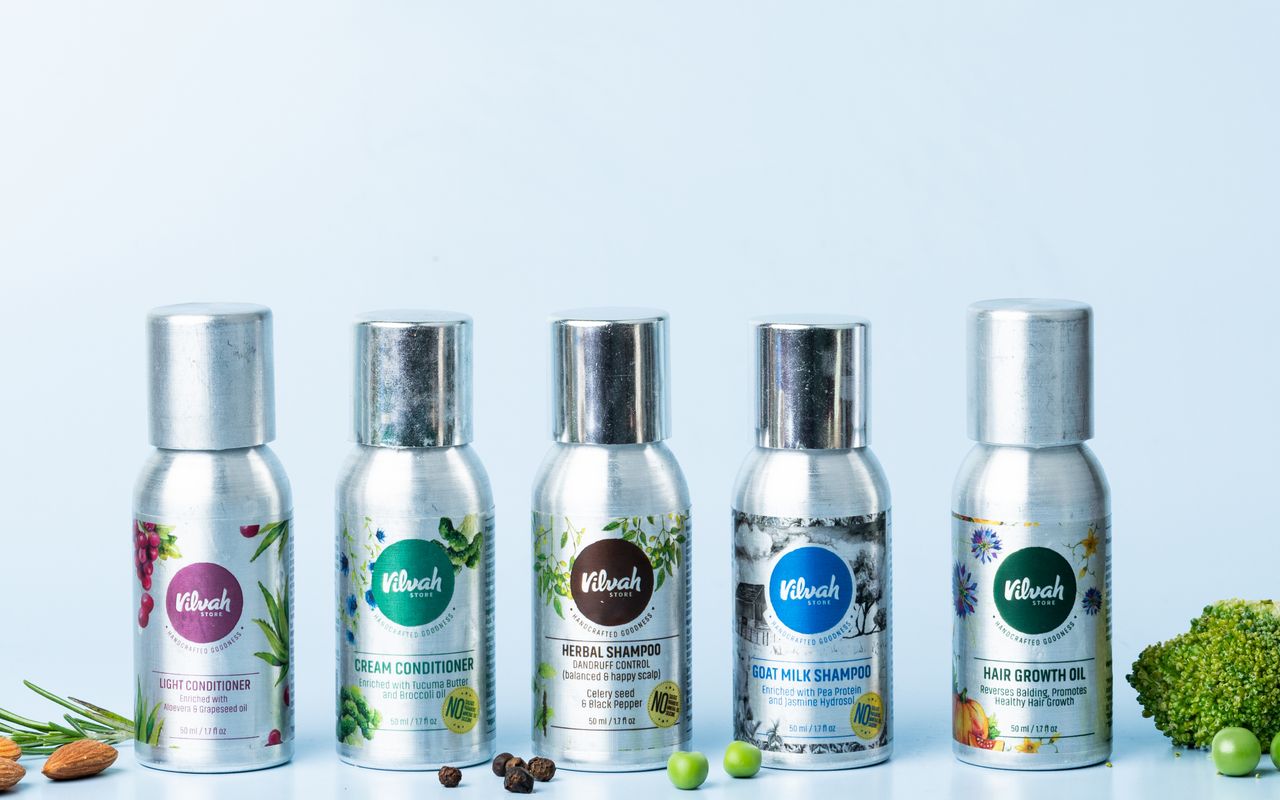
Hair Repair Shampoo: The Complete Guide to Healthier, Stronger, and Smoother Hair
Discover how hair repair shampoo can help care for dry, damaged, and weak-looking hair. Learn about its benefits, key ingredients, and proper usage and simply tips for maintaining healthier and smoother hair

- Hair Repair Shampoo: The Complete Guide to Repairing and Strengthening Damaged Hair
- Healthy, shiny, and manageable hair is something most people want, but daily styling, heat exposure, chemical treatments, colouring, pollution, and improper hair care can leave hair dry, brittle, rough, and prone to breakage. When hair starts looking dull or damaged, one of the simplest changes you can make to your routine is choosing the right hair repair shampoo.
A good hair repair shampoo is designed to cleanse the scalp and hair while helping improve the appearance and manageability of damaged strands. Depending on its formula, it may contain moisturizing ingredients, proteins, amino acids, plant oils, vitamins, or other conditioning agents that help hair feel stronger, smoother, and softer.
In this detailed guide, we will explore what hair repair shampoo is, how it works, its benefits, key ingredients, how to use it correctly, and how to choose the right formula for your hair type.
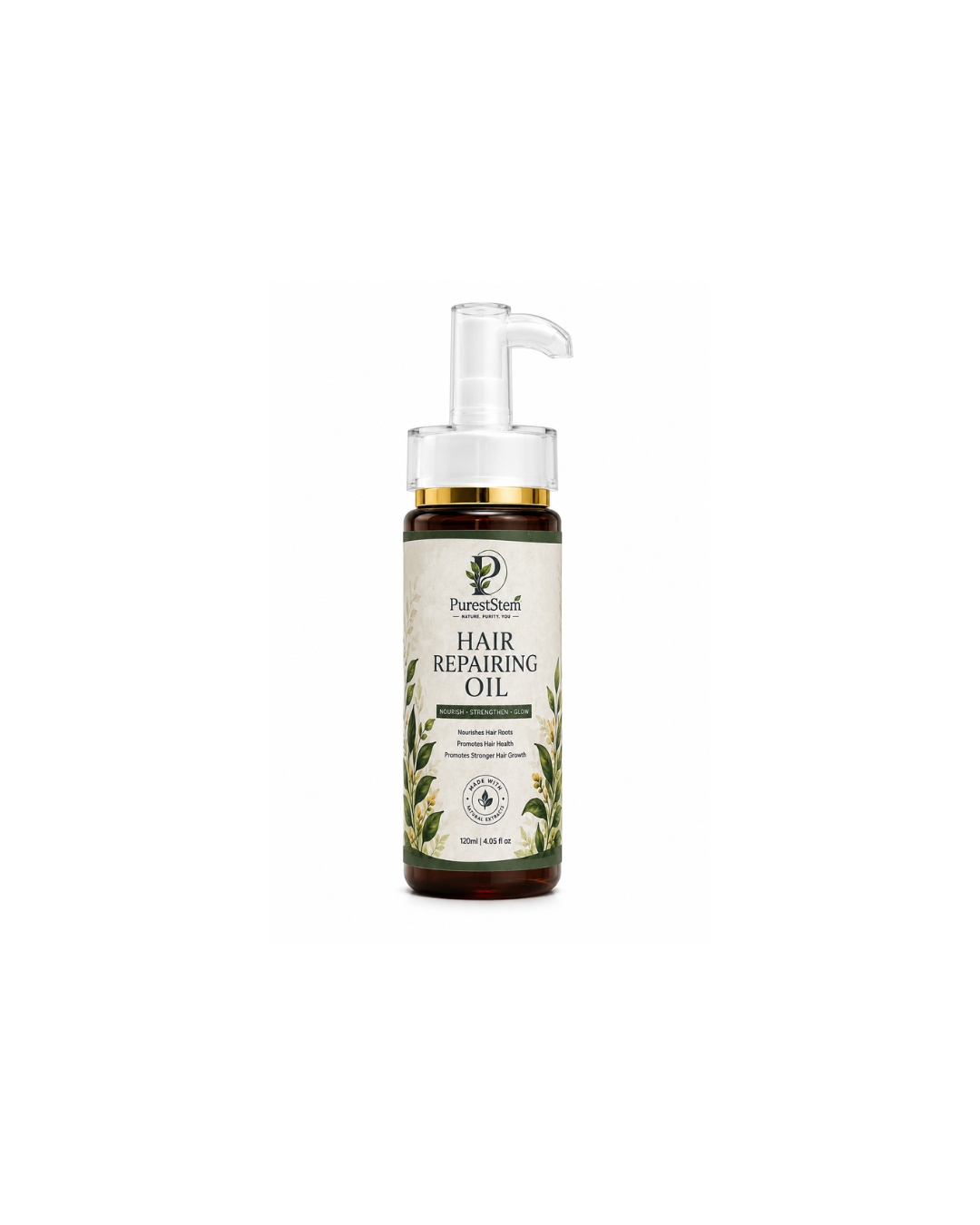
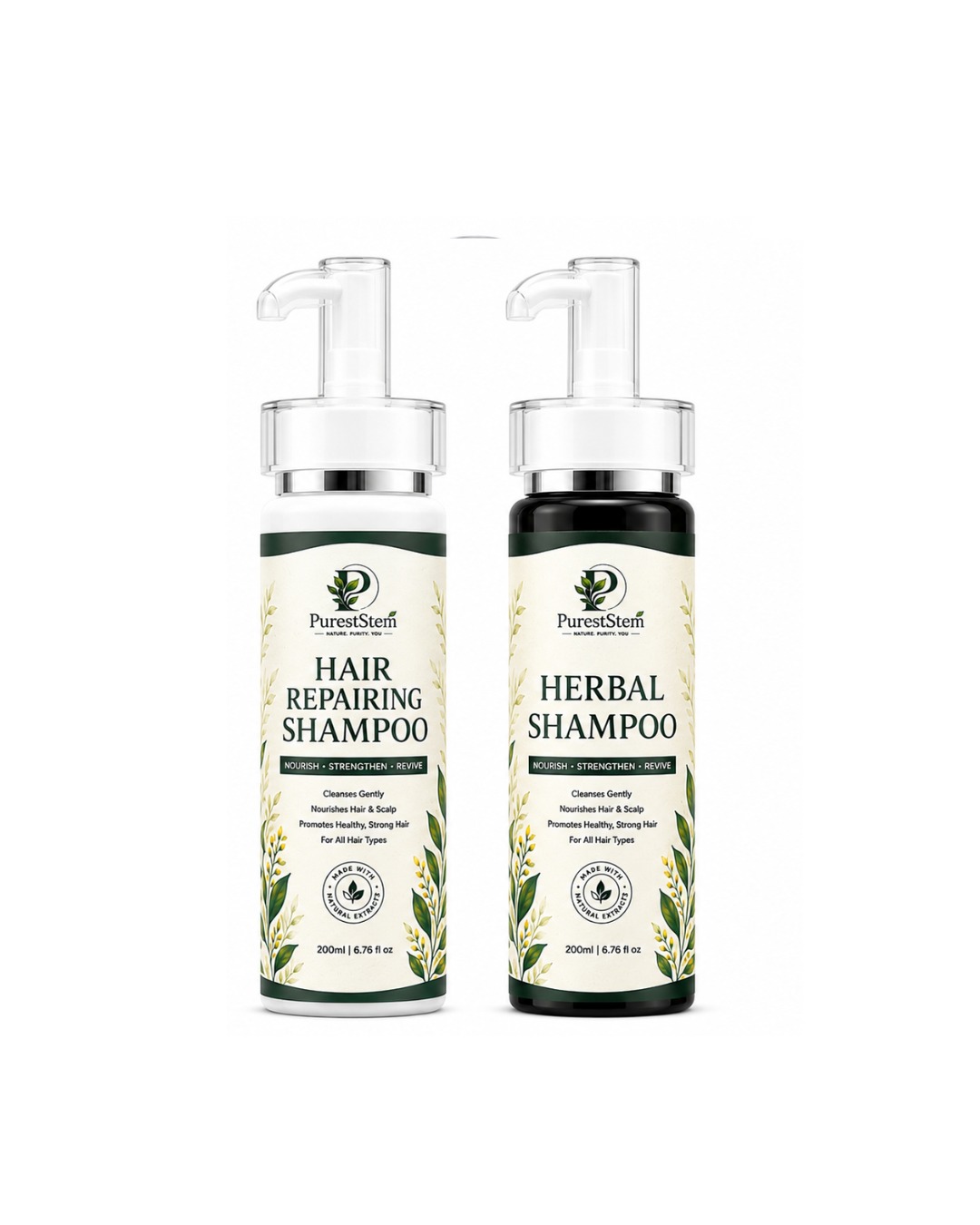
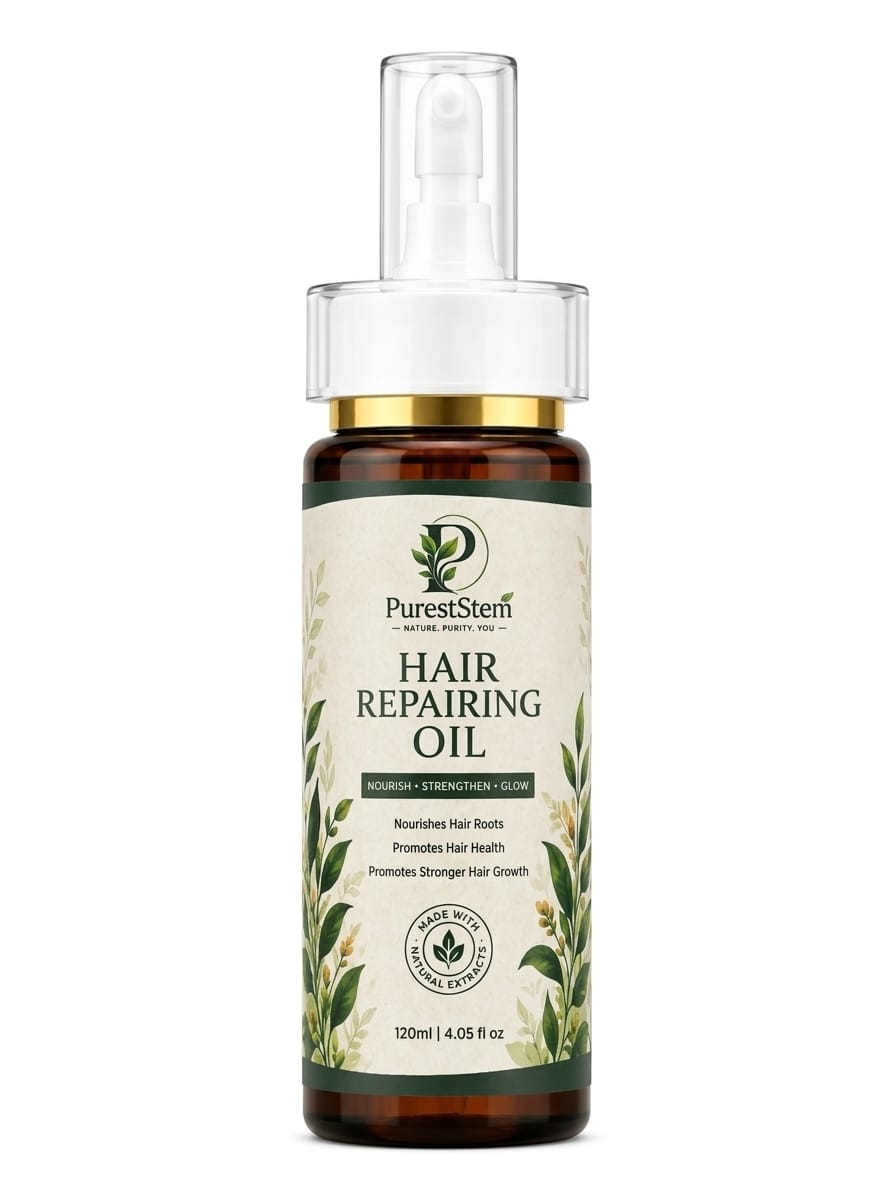
What IsPurestStem Hair Repairing shampoo
Hair repair shampoo is a cleansing product formulated specifically for hair that looks or feels damaged, dry, weak, rough, or brittle. Regular shampoos primarily focus on removing oil, sweat, dirt, and styling-product buildup. Repair-focused shampoos typically combine cleansing ingredients with conditioning and strengthening ingredients.
It is important to understand that shampoo cannot literally restore a completely damaged hair strand to its original biological condition. Hair is made primarily of keratin and is not living tissue once it emerges from the scalp. However, the right shampoo can help reduce the appearance of damage, improve softness and manageability, reduce friction, and protect the hair from further stress.
For significantly damaged hair, shampoo works best as part of a broader hair-care routine that includes conditioner, occasional treatments, gentle drying, and protection from excessive heat.
What Causes Hair Damage?
Before choosing a repair shampoo, it helps to understand why hair becomes damaged in the first place.
1. Heat Styling
Frequent use of flat irons, curling irons, and high-temperature blow dryers can remove moisture from the hair and weaken the hair's outer protective layer. Repeated heat exposure may contribute to dryness, split ends, and breakage.
2. Chemical Treatments
Hair coloring, bleaching, relaxing, rebonding, and perming can alter the structure of the hair. Overprocessing may leave strands porous, rough, and fragile.
3. Excessive Washing
Washing your hair too frequently with a strong cleansing formula may contribute to dryness, particularly if your hair is naturally dry or curly.
4. Environmental Exposure
Sun exposure, pollution, dry weather, humidity, salt water, and chlorinated water can all affect the feel and appearance of hair.
5. Mechanical Damage
Aggressive brushing, tight hairstyles, rough towel drying, and sleeping with tangled hair can increase friction and contribute to breakage.
6. Lack of Moisture
Dry hair is often more difficult to manage and may be more vulnerable to breakage. A moisturizing shampoo and conditioner can help improve the hair's softness and smoothness.
Benefits of Hair Repair Shampoo
A well-formulated hair repair shampoo can provide several benefits when used consistently as part of an appropriate routine.
Helps Cleanse Without Excessive Dryness
The primary purpose of shampoo is cleansing. A repair-oriented formula can remove dirt, oil, sweat, and product buildup while including ingredients intended to support softer-feeling hair.
Best Hair Oil for Hair Growth in Pakistan: The 2026 Complete GuideConditioning ingredients can coat the hair surface and reduce roughness. This can make hair feel smoother and easier to comb.
Helps Reduce the Appearance of Breakage
Some formulas contain proteins, amino acids, polymers, or conditioning ingredients that can temporarily improve the feel and strength of damaged hair. This may help reduce breakage caused by everyday grooming.
Adds Softness and Manageability
Dry or damaged hair can become difficult to detangle. A moisturizing shampoo followed by conditioner may make hair easier to handle.
Improves Shine
When the hair surface is smoother, it can reflect light more evenly, creating a healthier-looking shine.
Supports a Complete Hair-Care Routine
Repair shampoo is most useful when combined with other good habits, such as regular conditioning, limited heat styling, gentle brushing, and appropriate protection from environmental exposure.
Key Ingredients to Look For
Different hair repair shampoos use different combinations of ingredients. Understanding common ingredients can make it easier to select a suitable product.
Keratin and Hydrolyzed Proteins
Hydrolyzed keratin and other hydrolyzed proteins are commonly used in products designed for damaged hair. They can temporarily improve the feel and appearance of damaged strands by interacting with the hair surface.
Amino Acids
Amino acids are components associated with proteins and are frequently included in strengthening and conditioning hair formulas. Depending on the formulation, they may help improve the feel of weak or damaged hair.
Ceramides
Ceramides are lipid-like ingredients used in many hair-care products. They can help improve smoothness and support the hair's protective surface.
Argan Oil
Argan oil is rich in fatty acids and is commonly used in products intended to soften dry hair and improve shine.
Coconut Oil
Coconut oil is widely used in hair care and can help condition the hair. Some research suggests that coconut oil can penetrate the hair shaft more effectively than certain other oils, although individual results vary.
Shea Butter
Shea butter provides emollient properties and can be particularly useful in formulas designed for dry, coarse, or textured hair.
Panthenol
Panthenol, a form of provitamin B5, is commonly used in hair products for its conditioning and moisturizing properties. It can help hair feel smoother and more manageable.
Glycerin
Glycerin is a humectant that helps attract and retain moisture. It is often included in moisturizing hair-care products.
How to Choose the Right Hair Repair Shampoo
Not every repair shampoo is suitable for every person. Your hair type, scalp condition, and level of damage should influence your choice.
For Dry Hair
Look for moisturizing formulas containing ingredients such as glycerin, oils, shea butter, or conditioning agents. Avoid using very strong cleansing products too frequently if they leave your hair feeling tight or excessively dry.
For Curly Hair
Curly hair often benefits from products that emphasize moisture and reduce dryness. A gentle shampoo followed by a rich conditioner can help maintain softness and definition.
For Colored Hair
If your hair is dyed, consider a shampoo formulated for color-treated hair. Gentle cleansing can help maintain the appearance of color while conditioning ingredients help manage dryness.
For Bleached or Chemically Treated Hair
Bleached and heavily processed hair can be particularly fragile. Look for products designed for damaged or chemically treated hair, and combine shampoo with a conditioner or intensive treatment.
For Fine Hair
Heavy, highly moisturizing formulas can sometimes make fine hair feel weighed down. Look for lightweight conditioning formulas and apply conditioner mainly to the lengths and ends.
For Oily Scalp and Damaged Ends
If your scalp becomes oily but your ends are dry, focus shampoo application primarily on the scalp. Allow the lather to rinse through the lengths rather than aggressively scrubbing the ends.
How to Use Hair Repair Shampoo Correctly
Even an excellent shampoo may not deliver the desired results if it is used incorrectly.
Step 1: Wet Your Hair Thoroughly
Use lukewarm water to completely wet your hair and scalp. Extremely hot water may contribute to dryness for some people.
Step 2: Use an Appropriate Amount You generally do not need a large amount of shampoo. The right quantity depends on hair length, thickness, and how much product or oil is present.
Step 3: Focus on the Scalp
Apply shampoo primarily to the scalp and massage gently with your fingertips. Avoid aggressively scratching or rubbing the scalp.
Rinse until the shampoo has been completely removed. Product residue can leave hair feeling heavy or dull.
Step 5: Follow With Conditioner
Apply conditioner mainly from the mid-lengths toward the ends, especially if your hair is dry or damaged.
Step 6: Dry Gently
Avoid vigorous towel rubbing. Instead, gently squeeze excess water from the hair and use a soft towel or microfiber towel if available.
How Often Should You Use Hair Repair Shampoo?
There is no universal washing schedule that works for everyone. Your ideal frequency depends on your scalp, hair type, lifestyle, and styling habits.
People with oily scalps may need to wash more frequently, while those with dry or curly hair may prefer less frequent washing.
The most important sign is how your hair and scalp respond. If your hair consistently feels stripped, rough, or excessively dry after washing, consider reducing washing frequency or switching to a gentler formula.
Common Mistakes to Avoid
Using Too Much Shampoo
More shampoo does not necessarily mean cleaner or healthier hair. Excessive product can make rinsing difficult and may be unnecessarily drying.
Scrubbing the Hair Lengths
The scalp generally needs the most cleansing. Roughly scrubbing the lengths can increase friction and tangling.
Skipping Conditioner
Shampoo cleanses the hair, while conditioner can provide additional softness and manageability. If your hair is damaged, skipping conditioner may make it harder to manage.
Using Excessive Heat
A repair shampoo cannot fully compensate for repeated high-temperature styling. Reduce unnecessary heat exposure and use appropriate heat protection when styling.
Expecting Instant Repair
Hair repair is not an overnight process. Cosmetic products can improve the appearance and feel of hair, but severely split or broken ends cannot be permanently restored by shampoo. Trimming may be necessary when ends are extensively damaged.
Hair Repair Shampoo vs. Regular Shampoo
The main difference is usually the product's formulation and intended purpose.
A basic shampoo is primarily designed to cleanse the scalp and hair. A hair repair shampoo typically combines cleansing with ingredients intended to improve the condition, feel, appearance, or manageability of damaged hair.
However, the term "repair" on a label does not guarantee that a product will produce a particular result. Always examine the ingredient list and consider your specific hair and scalp needs.
Can Hair Repair Shampoo Stop Hair Fall?
Hair breakage and hair loss are not the same thing.
Hair repair shampoo may help reduce breakage when dryness and mechanical damage contribute to fragile strands. However, true hair loss can have many different causes, including genetics, hormonal changes, nutritional deficiencies, medications, scalp conditions, and other health factors.
If you are experiencing sudden, severe, or persistent hair loss, a shampoo alone may not address the underlying cause. Consider speaking with a dermatologist or other qualified healthcare professional for appropriate evaluation.
Tips for Healthier-Looking Hair
For the best results, combine your repair shampoo with healthy hair-care habits:
- Wash according to your scalp's needs.
- Use conditioner after shampooing.
- Limit unnecessary heat styling.
- Use a heat protectant when using hot tools.
- Avoid excessively tight hairstyles.
- Brush gently, particularly when hair is wet.
- Avoid aggressive towel drying.
- Protect hair from prolonged environmental exposure.
- Trim severely split or damaged ends when necessary.
- Choose products according to your hair type rather than marketing claims alone.
- Give chemical treatments adequate time between applications.
Final Thoughts
A good hair repair shampoo can be a valuable part of a damaged-hair care routine. By combining gentle cleansing with moisturizing, conditioning, and strengthening ingredients, it can help hair look smoother, feel softer, and become easier to manage.
However, healthy-looking hair requires more than shampoo alone. The best results usually come from a complete routine that includes suitable conditioner, gentle handling, reduced heat exposure, protection from chemical overprocessing, and regular attention to your scalp and hair type.
When choosing a hair repair shampoo, focus on your individual needs. Dry hair may benefit from a moisture-rich formula, while fine hair may require lightweight conditioning. Curly, colored, bleached, and chemically treated hair can each have different requirements.
Most importantly, remember that damaged hair needs patience and consistent care. With the right products and everyday habits, you can improve the appearance, softness, manageability, and overall condition of your hair over time.
Saneha Salamat
Verified AuthorNatural wellness researcher & herbal formulation expert at PurestStem.
Featured Herbal Products
100% natural, chemical-free solutions referenced in this article.